To Those Who Nourish: Farming and Environmental Health in Northeast Ohio
CUDC Fall Lecture Series - Imani Badillo, To Those Who Nourish: Farming and Environmental Health in Northeast Ohio
21 October 2022 from noon-1pm
In person event at the CUDC, 1309 Euclid Avenue, Suite 200, Cleveland.
Free and open to the public. A light lunch will be served. This event will also be livestreamed over Zoom

Artist and workshop organizer Imani Badillo will discuss the multi-year SPACES x Cooking Sections partnership, To Those Who Nourish. This project looks closely at the deoxygenated state of Lake Erie and the impact of harmful chemical fertilizers. A major source of life and water for the Cleveland area, UK-based artist collective Cooking Sections has partnered with SPACES to create a monument in the lake to farmers who committed to engage in the longer-term Non-Phosphorus Support Network.

This group of farmers across Northeast Ohio will connect quarterly to discuss their own methods and efforts to move away from chemical fertilizers. This talk will provide some background for the project, introduce the group of farmers committed to the overall health of Lake Erie, and will explore how art can uplift the local community and pave the way for future change.
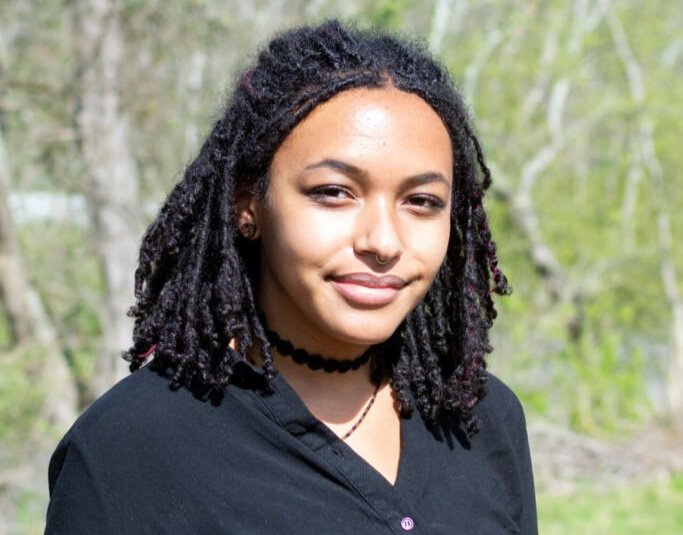
Imani Badillo is a Puerto Rican, Black, and Alaskan Native artist, writer, and workshop organizer from Cleveland, OH. Imani’s work communicates environmental justice concerns using painting, fiber art, and bookmaking. Their sole goal as an artist is to use illustrated thoughts and memories as an invitation into getting into a right relationship with human and more-than-human others.
Special thanks to SPACES Cleveland and FRONT International 2022.


Centering Diversity: Landscape Architecture in Ohio Summit

A collective of Ohio Landscape Architecture practitioners, educators and partners are planning a summit centered around Justice, Equity, Diversity, and Inclusion (JEDI).
Centering Diversity: Landscape Architecture in Ohio will take place in-person at two locations - the CUDC in Downtown Cleveland and the Knowlton School at Ohio State - on Friday, October 7, 2022. The goal of this summit is to explore, discover, and synthesize best practices relating to JEDI in landscape architecture throughout Ohio. Proceedings, goals and outcomes formed during the summit will be published into a report that will be made available for public use.
In preparation of the summit, the organizers are collecting data from JEDI initiatives in landscape architecture across the State of Ohio. This information will be used to analyze how the profession is performing with regard to Justice, Equity, Diversity and Inclusion within our state. Information obtained from this survey will be disseminated to all registered participants in advance of the summit and published in the report. Please complete this survey by Friday, September 23rd:
Survey link: https://docs.google.com/forms/d/1qi8IigPnEEdYMkpnKMFjPSqh6gAdzYQfAaAXbHGN_Q8/viewform?edit_requested=true
2.0 CEU approval is pending for both in-person participation and via recording. Further speaker and event details will be confirmed shortly. Please forward this event info and survey along to your respective firms, institutions, or any other affiliates. Direct any questions to ohiolandscapejedi@gmail.com.
This is a free event but donations can be applied to help cover the cost for this event and further ongoing JEDI efforts throughout the state.
The two in-person locations that will host this hybrid event are:
Knowlton School, The Ohio State University, 275 W Woodruff Avenue, Columbus, OH 43210
Cleveland Urban Design Collaborative (CUDC), Kent State University, 1309 Euclid Avenue, Cleveland, OH 44115
Asynchronous Participation is available. There will not be virtual streamed sessions during the day of the summit. Instead, virtual participation will occur before and day-of through Miro, where participants can contribute insights and feedback on provided prompts. Recording of roundtable discussions will be made available following the in-person event, pending CEU approval.
Agenda
Arrival & Networking (1:00-1:15)
Welcome & Introduction (1:15-1:30)
Panel/Roundtable 1: Establishing a Baseline (1:30-2:30)
Break (2:30 - 2:45)
Session 1: Learning Landscape (2:45-3:30)
Break - (3:30 - 3:45)
Session 2: Diversity in Practice (3:45-4:15)
Panel 2: Next Steps (4:15 - 5:00)
The deadline to register for the summit is Friday, September 30th. In-person seating is limited.
There will be an informal/optional happy hour social following the summit at both locations.
Centering Diversity: Landscape Architecture in Ohio | Facebook
Ohio Landscape JEDI (@centering_diversity) • Instagram photos and videos


Cyclical City - Stories of Urban Transformation

CUDC Fall Lecture Series - Jill Desimini, Cyclical City: Stories of Urban Transformation
28 October 2022 from noon-1pm
In person event at the CUDC, 1309 Euclid Avenue, Suite 200, Cleveland.
Free and open to the public. A light lunch will be served. This event will also be livestreamed over Zoom
Co-sponsored with the Ohio Chapter of the American Society of Landscape Architects (OCASLA). Landscape Architecture Continuing Education System (LA CES) credit pending.

As cities evolve and resources shift with time, spaces within those cities are often left fallow and abandoned. Cyclical City tells the stories behind these sites, from Philadelphia’s Liberty Lands park to Lisbon’s Green Plan, and it looks at the ways in which these narratives can be leveraged toward future engagement and use.
Jill Desimini posits a fundamental role for spatial design practice to transform abandoned urban landscapes through time. She argues for approaches that promote the specific affordances of the land itself (hydrology, vegetation, topography, geology, infrastructural capacity, occupation potential); the importance of cyclical change; and the particularities of the cultural, political, and physical context.

In her lecture, she will explore these themes in five cities—Philadelphia, Berlin, Lisbon, Amsterdam, and Saint Louis—and across centuries, from periods of great upheaval to ones of relative stability and even economic growth. She considers what landscape-driven design can bring to cities losing people and economic resources, how design practice can be more inclusive in a context of market failure, and the ways in which abandoned landscapes can become our commons.
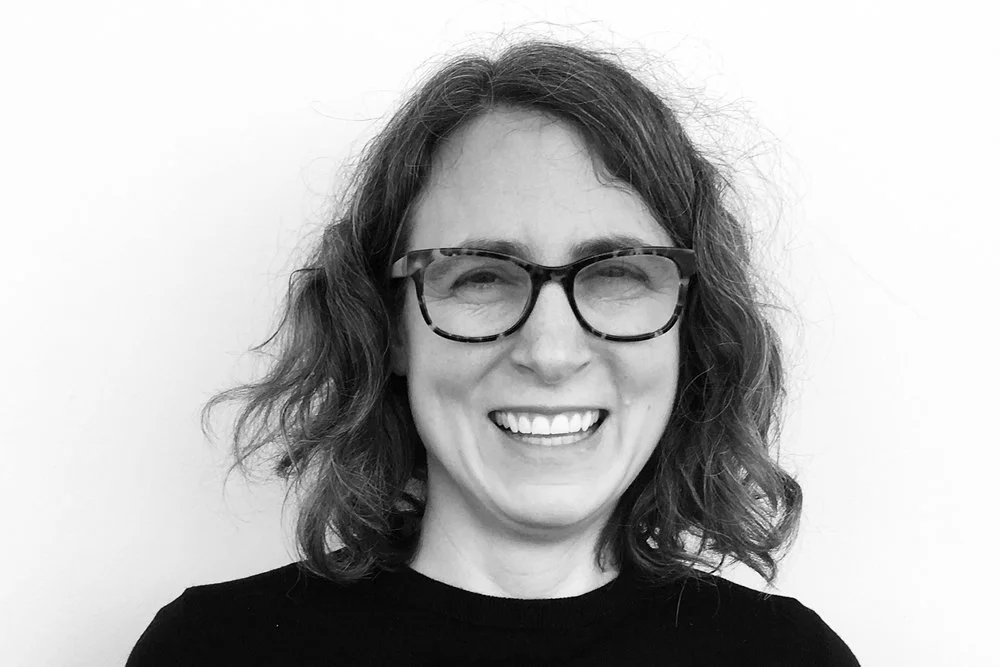
Jill Desimini is a landscape architect and associate professor at the University of Connecticut. She is trained as an architect and landscape architect and has practiced in both fields. Her current research investigates potential futures for abandoned landscapes, with an emphasis on climate and justice.
She is author of Cyclical City: Five Stories of Urban Transformation (University of Virginia Press, 2022), From Fallow: 100 Ideas for Abandoned Urban Landscapes (ORO Editions, 2019) , and co-author of Cartographic Grounds: Projecting the Landscape (Princeton Architectural Press, 2016). Her work has also appeared in Manifest Journal, Bracket [Takes Action], JAE Online, A Public Space, LA Frontiers, New Geographies 10: Fallow, Journal of Urban History, Landscape Journal, Journal of Landscape Architecture, Scenario Journal, The Journal of Chinese Landscape Architecture, Places, as well as in book chapters on fallowness, urban wilds, land banks, and other related topics.
She holds a Master of Architecture and Master of Landscape Architecture from the University of Pennsylvania and a Bachelor of Arts in Urban Studies from Brown University. Prior to joining UConn, she was Associate Professor of Landscape Architecture at the Harvard Graduate School of Design and a designer at Stoss Landscape Urbanism, Atkin Olshin Schade Architects, Wallace, Roberts and Todd, and KieranTimberlake.

Jill Desimini, Cyclical City: Stories of Urban Transformation is the third program in the CUDC’s Fall lecture series, organized around the theme of Cities and Material Landscapes.


Trails & Greenways Mini-Conference

The FREE Greater Cleveland Trails and Greenways Mini-Conference will be held on September 21 and 22.
Decision makers, planners, practitioners, trail advocates share ideas, discover new tools, and set the stage to transform plans and concepts into successfully completed projects. Be a part of this free 2-day conference!
Wednesday 9am–Noon virtual sessions
ODOT: WalkBikeOhio & New Multi-modal Design Guide
Promoting Trail Projects Through Social Media & Photo Library
Thursday 9am–Noon virtual sessions
The Infrastructure Investment and Jobs Act (IIJA), aka Bipartisan Infrastructure Law (BIL), Funding
The New Wayfinding Sign System - Cuyahoga Greenway Partners and Destination Cleveland
Mobile Workshops 2–3:30pm, 3:30–4:30 (workshops repeat each day)
Euclid Creek Greenway Connector 2:30pm
Nord Family Greenway, University Circle 2:30pm
Bike Tour: Public Space Improvements Along the Cleveland Cultural Gardens 3:30pm
CEUs available for various professions.
Learn more, get links and registration information at GCTrails.org.
Making Art Work

CUDC Fall Lecture Series - Mac Love, MAKING ART WORK
9 September 2022 from noon-1pm
In person event at the CUDC, 1309 Euclid Avenue, Suite 200, Cleveland.
Free and open to the public. Light lunch will be served. This event will also be livestreamed over Zoom

Please join us for the first event in the 2022 Fall Lecture Series at the CUDC.
Mac Love will be giving a talk entitled Making Art Work. He recently presented the opening lecture on Equity & Social Justice: Community & Youth Engagement at the 2022 ESRI User Conference in San Diego, focusing on his work in Akron and Cleveland.
As the Co-Founder & Chief Catalyst at Art x Love, a creative agency based in Akron (OH), Mac’s work with @PLAY and Steps to Equity have been nationally recognized as a leading example for creative community collaboration. Mac will share the principles, methods, and tools that inform and guide these projects, and demonstrate how they are systemically shifting the way people, communities, and cities invest in the arts and their environment.
Great Lakes Climate Migration

The impacts of climate change could displace many people in parts of the United States. Cities in heavily impacted areas could lose residents and tax revenue as people relocate to safe havens. Other cities will receive displaced people, perhaps suddenly and without warning, in the wake of a climate disaster. There is a pressing need to prepare for these population shifts in an organized and equitable way.
Cities in the Great Lakes region have already experienced periods of population growth and decline. The Great Migration, from 1910-1970, was one of the largest movements of people in U.S. history. Approximately six million Black Southerners moved to cities in the Northern, Western, and Midwestern parts of the US to escape racial violence and pursue economic and educational opportunities.
Many people moved to Detroit, Cleveland, Buffalo, and other cities in the Great Lakes where industrial jobs were plentiful. As deindustrialization took hold in the 1970s and 1980s, these cities lost residents and businesses—a pattern that persists to the present day. However, the Great Lakes region may begin to experience climate-related in-migration as people rediscover the area’s stable climate, abundant fresh water, and available land.
If Great Lakes cities begin to attract new residents, what factors will motivate people to move and when might this happen? Will in-migration bring jobs, ideas, and money to help revitalize the Great Lakes region? Will new residents displace people who are already here? Will population growth be concentrated in existing cities, or will it result in an expanded development footprint in suburban and rural areas? How will in-migration affect the ancestral claims of Indigenous people on the land and water of the Great Lakes basin?

In an effort to spark conversations about these and other questions, the CUDC and the University at Buffalo partnered to produce a guide to scenario planning for climate migration in Great Lakes cities. The guide aims to assist Great Lakes cities in making climate-responsive land use decisions, planning for population gains and losses, and developing scenarios about where to focus future development and where to protect land for green space and green infrastructure.
Download the GUIDE TO SCENARIO PLANNING FOR GREAT LAKES CLIMATE MIGRATION
Further reading:
Tim McDonnell & Amanda Shendruck. It’s time to prepare cities for people uprooted by climate change Quartz 9/1/2020
Kelly Lielani Main, Why the Great Lakes need to be at the center of our climate strategy Fast Company 6/10/2021
Abrahm Lustgarten, How Climate Migration Will Reshape America, New York Times Magazine 9/15/2020
Director of Design Entrepreneurship and Inclusion

Kent State’s Cleveland Urban Design Collaborative is hiring a Director of Design Entrepreneurship & Inclusion. With support from the Cleveland Foundation, the CUDC created this new leadership position to foster the development of new design firms and expand the diversity of design practice in Northeast Ohio.
We’re looking for someone who can cultivate a national network of Black and Latinx design practitioners and firms and assist local design firms, developers, and organizations in building diverse teams for design and development projects in Greater Cleveland. The new Director of Design Entrepreneurship & Inclusion will also provide coaching and technical assistance for designers looking to start their own firms.
This is an opportunity to radically shift the nature of community design practice and open up the design fields to new voices and ideas. For more information and to apply, please visit Jobs.Kent.edu
Designing the Food Economy

Touring Cleveland Central Kitchen
In March of 2022, the CUDC and graduate students in Kent State’s College of Architecture and Environmental Design conducted a Community Design Charrette in Cleveland’s MidTown neighborhood. The charrette explored Cleveland’s established and emerging food sectors and discovered new ways for food related-investments to enhance city neighborhoods. Cleveland Central Kitchen and MidTown Cleveland were key charrette partners, helping the charrette team understand and respond to community needs and opportunities.

The students’ work highlights the presence of food-related businesses on Cleveland’s east side and envisions opportunities for business expansion in ways that benefit nearby neighborhoods. The charrette team planned for a complete neighborhood with convenient shopping, appealing parks and green spaces, walkable streets, and a strong sense of identity.
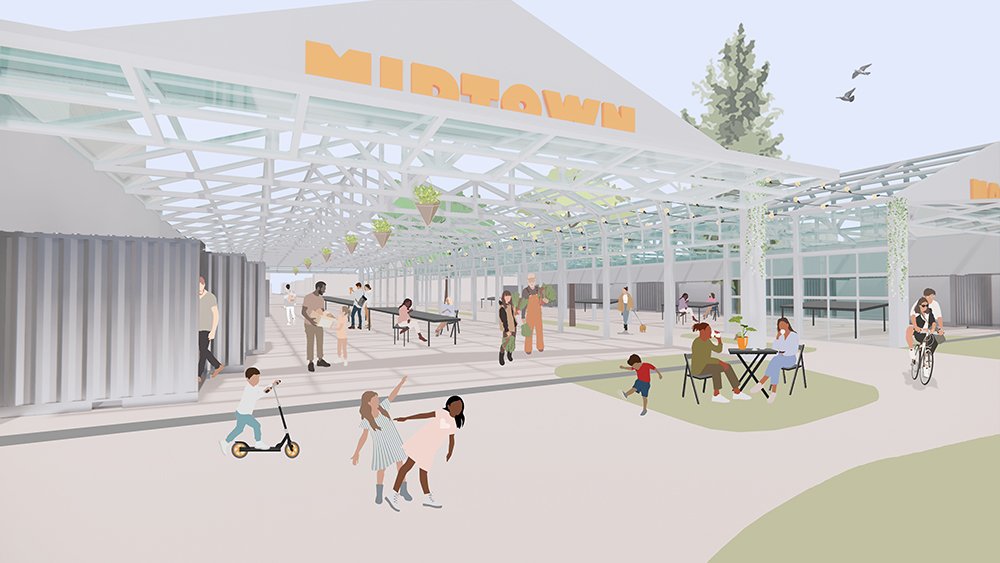
A proposed market plaza across the street from Cleveland Central Kitchen would provide a place for start-up food businesses in the Central Kitchen to sell their products and create a central gathering space for neighborhood residents

A climbing wall, slide, and seating based on the MidTown logo would reinforce the neighborhood’s identity.

The proposed Color Corridor is an appealing pedestrian linkage and public space between Carnegie and Euclid Avenues, connecting the Cleveland Central Kitchen and Euclid Avenue workers and residents through to Gallucci's Italian Foods & Market, E. 66th Street, and the vineyards at Chateau Hough.

Public art along the Color Corridor would create a lively pedestrian experience.
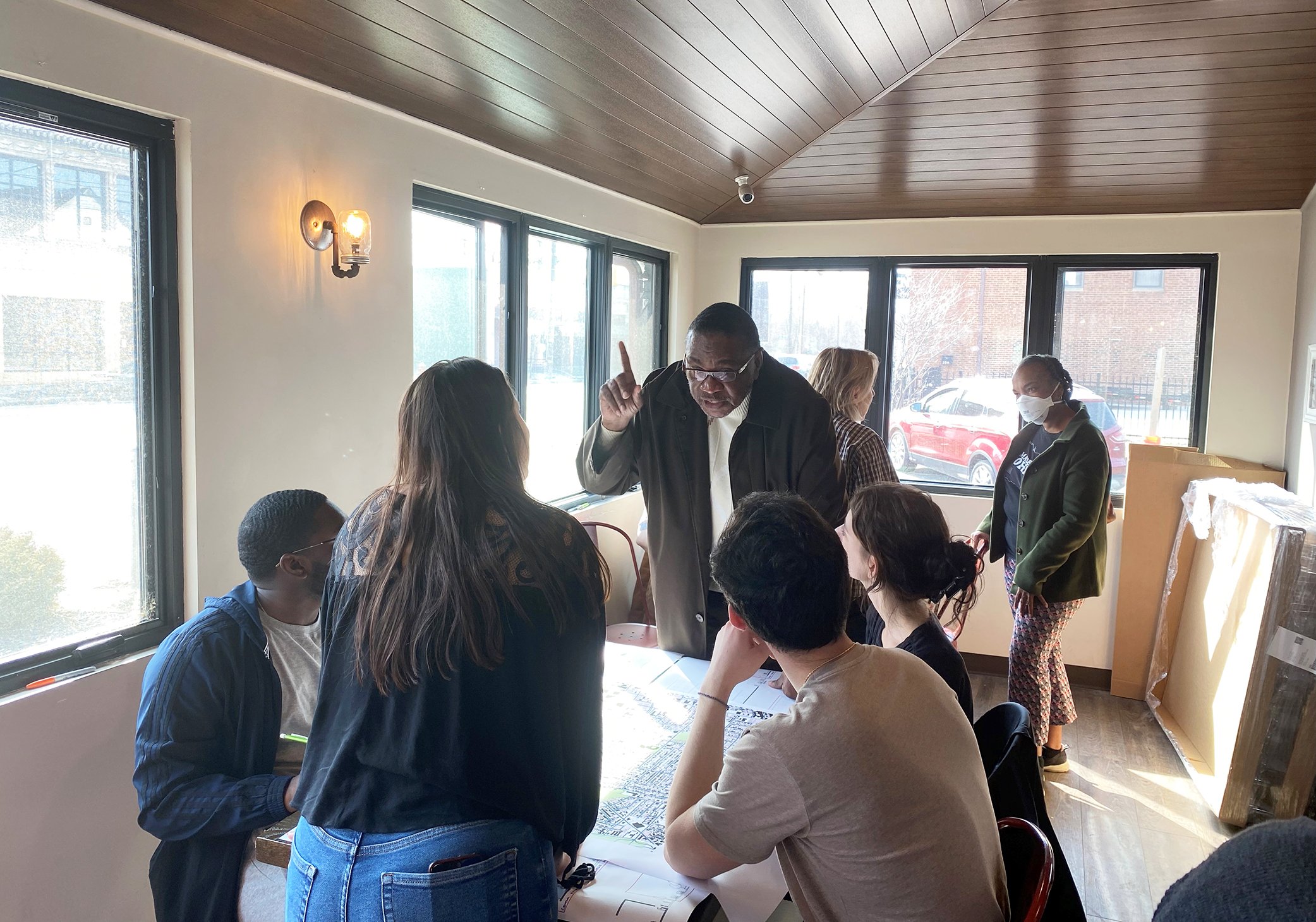
Community residents and local stakeholders offered input into the charrette process. The charrette team worked closely with MidTown Cleveland and Fairfax Renaissance Development Corporation to align their ideas with existing neighborhood plans.
For more information, please download the final charrette report, Designing the Food Economy.
Special thanks to our partners for their help with the charrette: Cleveland Central Kitchen, MidTown, Inc. Fairfax Renaissance Development Corporation, and Angie’s Soul Cafe. We’re also grateful to NAOIP Commercial Real Estate Development Association Northern Ohio and The 4M Company for their financial support of the charrette.
Neighborhood Food Futures - CUDC at the 2022 Oslo Architecture Triennale

Cleveland’s eastside food network
The Cleveland Urban Design Collaborative’s work is featured in the Neighbourhood Index at the 2022 Oslo Architecture Triennale!
With a theme of Mission Neighbourhood – (Re)forming Communities, the Triennale explores how we form the places we share. Mission Neighbourhood is an invitation to broaden the collective imagination regarding the spaces of everyday life.
The CUDC’s project, Neighborhood Food Futures, documents Cleveland’s existing and emerging food sectors and proposes a framework for integrating a diverse range of food enterprises into a robust and resilient foodscape. We envision a future where food entrepreneurs are nurtured across the spectrum–from home-based businesses to local start-ups to national/international food enterprises. In addition to providing sustenance in a hungry city, Neighborhood Food Futures lays the groundwork for advanced food manufacturing operations such as lab grown meat, 3D printed foods, and zero-waste food packaging.

Future food tech innovation hub along Opportunity Corridor
Food manufacturing can add value to urban neighborhoods through flexible production facilities. Spaces and places for food production can be designed as urban infrastructure, encompassing all stages of the food supply chain: growing food/urban farming, food processing/making; shared kitchens and production spaces, food retail; and food waste recycling/composting.

Neighborhood Food Futures aims to incubate innovative food businesses and agro-industries for a more prosperous and healthy city. Food operations integrate more easily into city neighborhoods than other forms of industry since they are cleaner and more compatible with residential areas. Neighborhood residents are a nearby work force and an underserved consumer base. Neighborhood Food Futures reconnects food production to consumption and makes food systems legible in city neighborhoods.
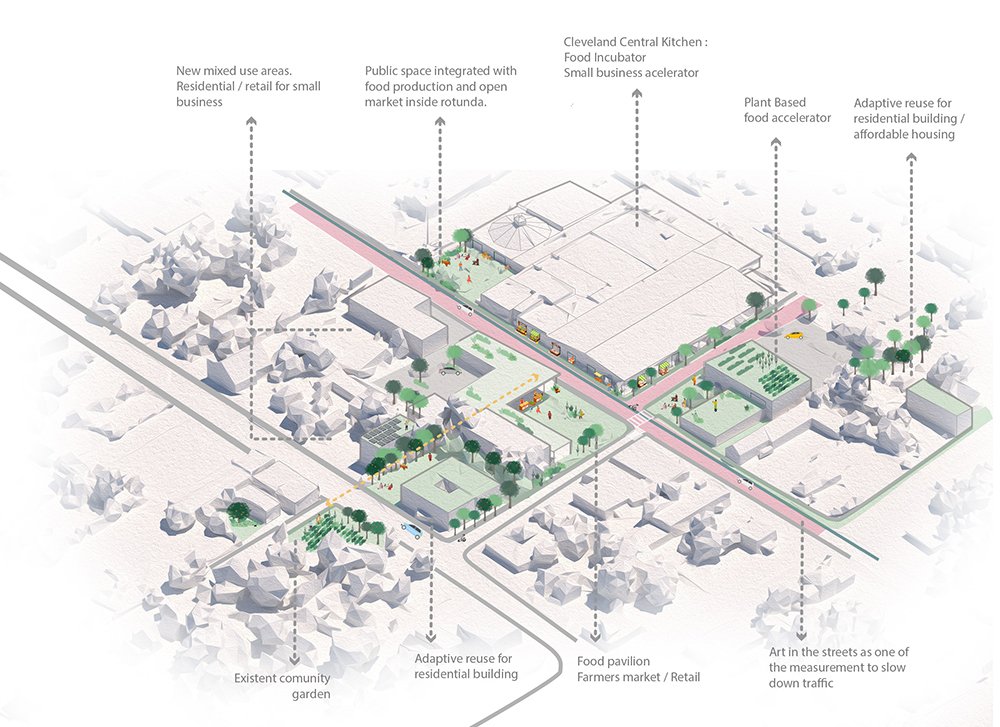
Vision for food production and community access centered around Cleveland Central Kitchen on Carnegie Avenue.
Neighborhood Food Futures expands upon the CUDC’s work over the past twelve years on issues of urban food production and vacant land reuse, and also features work from a recent Community Design Charrette conducted in partnership with MidTown Cleveland and the Cleveland Central Kitchen.
Making Our Own Space is on the Move!
Making Our Own Space (MOOS) the CUDC’s design/build program for middle and high school students is back in full force this summer, with new MOOS programs in Cleveland’s Old Brooklyn and Slavic Village neighborhoods and returning programs in Glenville and Shaker Heights.

Making Our Own Space Coordinator Ben Herring and the MOOS Rapid Response Team in Old Brooklyn
The logistics of MOOS workshops were complicated during the pandemic, but MOOS students persevered, creating seating and structures to help their neighbors interact safely outdoors during the challenging months of lock-down and remote school. Now, as things are returning to something like normal, the MOOS program is moving in exciting new directions.
The new MOOS Rapid Response Team (MOOS-RRT) is a smaller group of students working intensively on planning and design issues in Cleveland’s Old Brooklyn neighborhood. The MOOS team is designing and building outdoor structures, but also conducting urban research and experimenting with new technologies. The goal is to keep a core team of students working together for 18 months to enhance the Old Brooklyn neighborhood and Brighton Park, while exploring future careers in the design fields.

Brighton Park, a new community park on Pearl Road, across from the Cleveland Metroparks Zoo, was built on a former landfill site. MOOS students are envisioning ways to help their neighbors discover the park’s natural beauty and connect to a larger regional green space network.
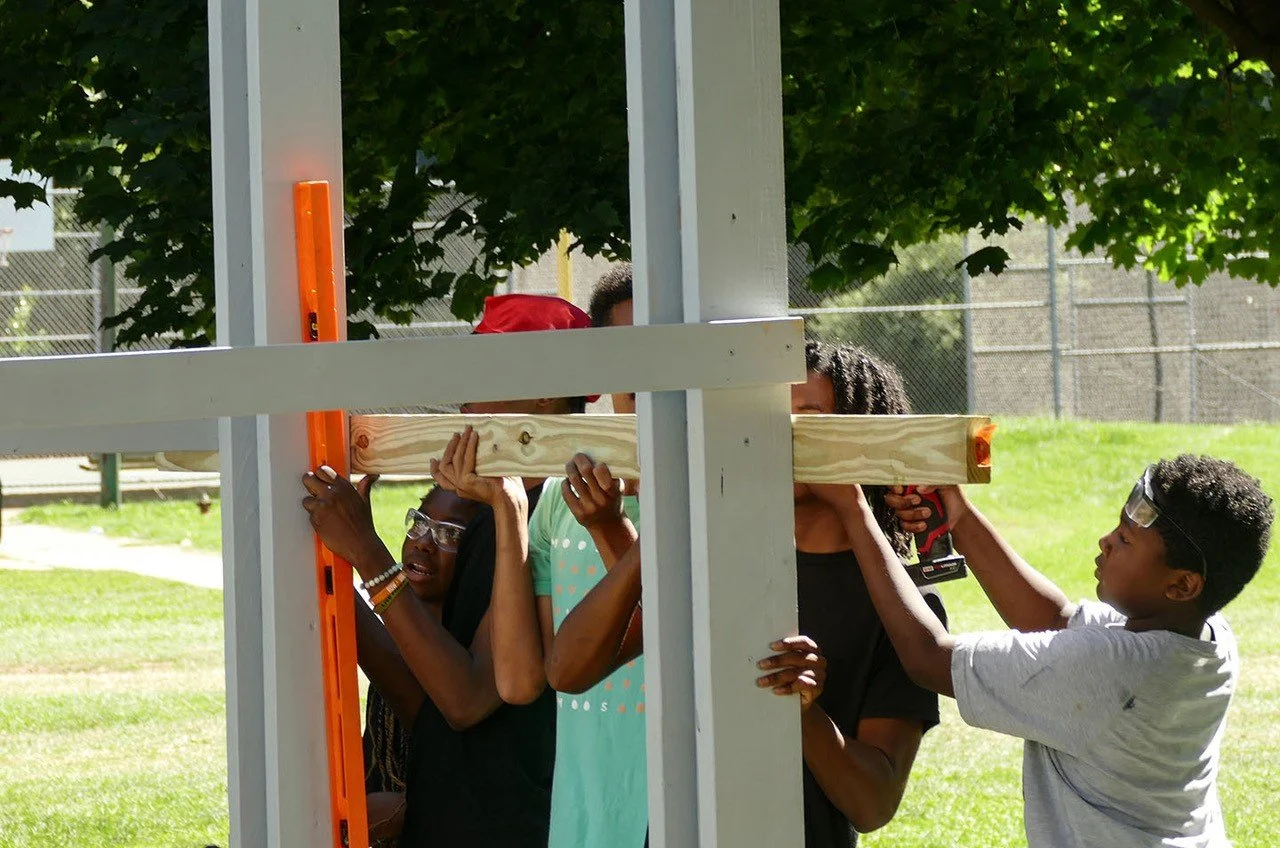
Another MOOS team is operating out of the Stella Walsh Recreation Center on Cleveland’s east side. This team spent three weeks developing design ideas for Mural Park, 5742 Broadway Avenue in Cleveland. This project was featured in Rooms To Let, a two-day temporary art exhibit and community celebration in Cleveland’s Slavic Village neighborhood held in July, 2002.

MOOS Team building seating structures for Mural Park in Slavic Village. (photo: Helen Liggett)
MOOS Glenville, our largest ever MOOS team with over 20 participants, has big dreams of creating a temporary pavilion that can be used for fundraising events and as a shelter.
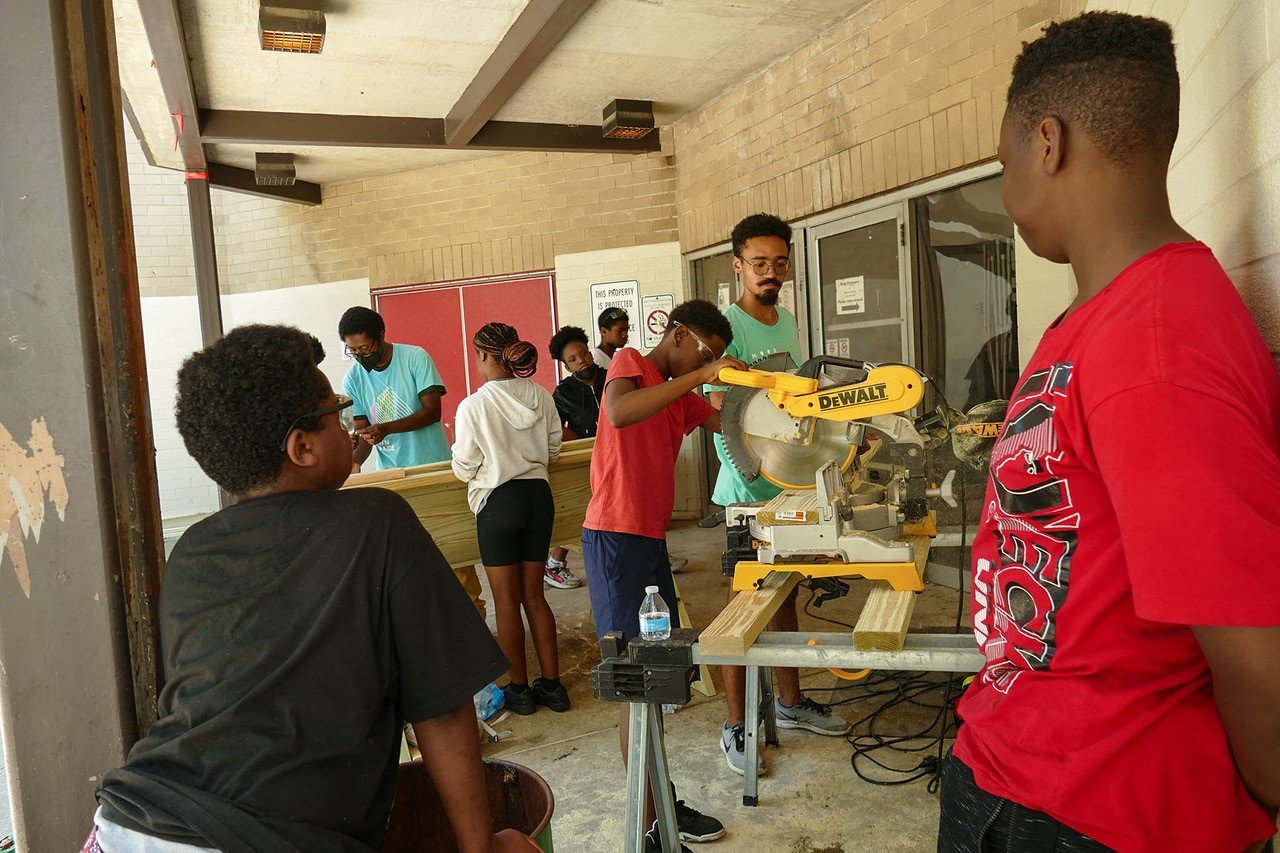
The Glenville team with MOOS Coordinator Ben Herring (at left) and MOOS Intern Luke Manning (supervising the chop saw). (photo: Helen Liggett)
In Shaker Heights, MOOS team members are contributing their ideas to a commercial corridor plan for the Lee Road.
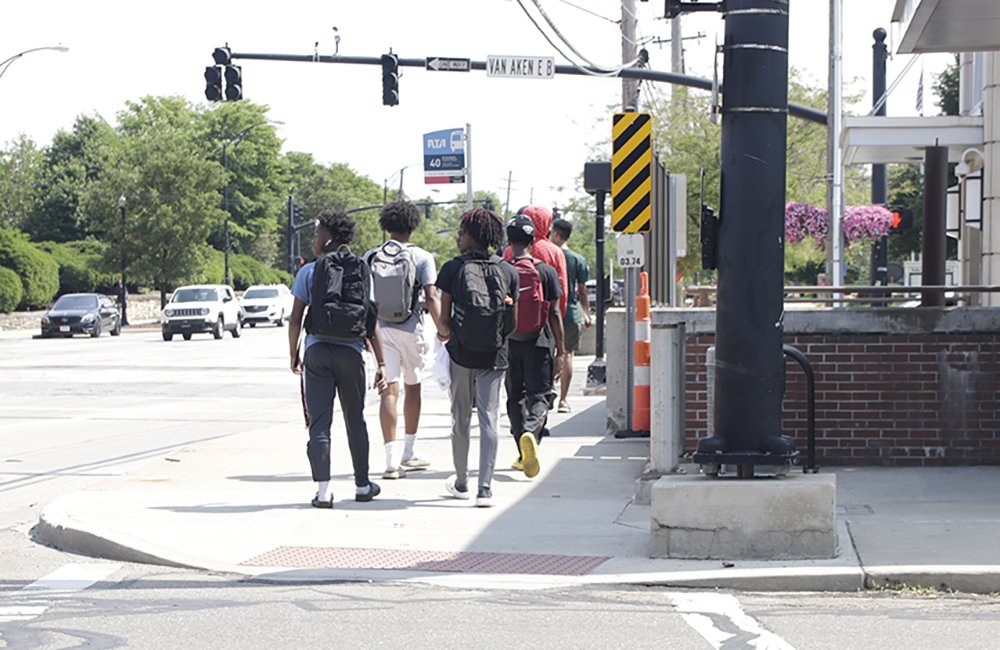
Shaker MOOS team touring and mapping the Lee Road corridor.
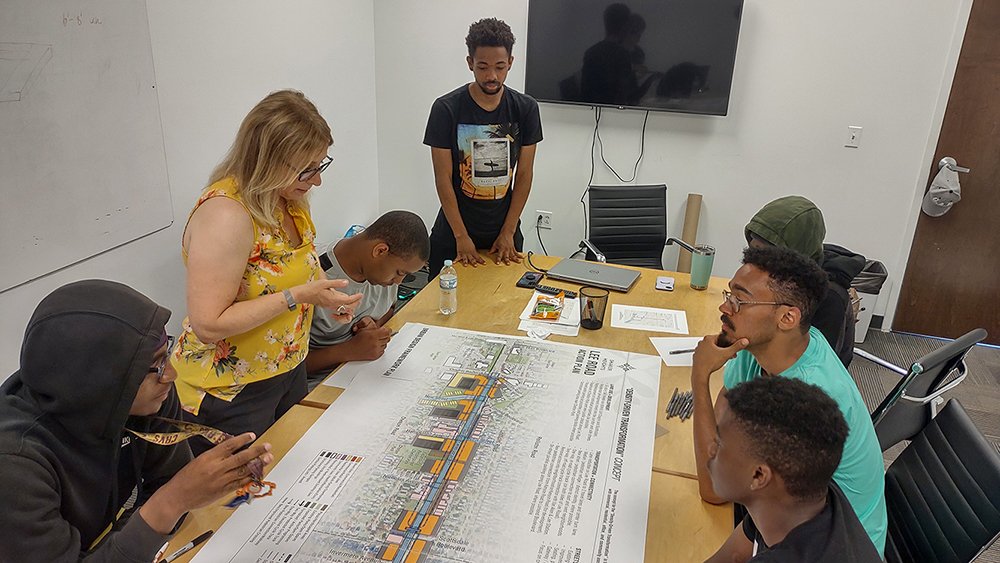
MOOS team meeting with Kara Hamley O’Donnell, Principal Planner for the City of Shaker Heights.
For more information about MOOS, visit www.wearemoos.org or contact us at cudc@kent.edu
ULI Hines Competition - INTRAChange
Students from Kent State and Cleveland State partnered in a student multidisciplinary Urban competition in the January of 2022. The ULI Hines Competition happens every year, gathering students from all over the world to devise a development program for a real site, and engage in a challenging exercise in responsible land use in a North American city.
The teams are composed of five students pursuing degrees in at least three different disciplines. And this year, they had two weeks to design and present a new proposal for a site in downtown Oakland, California.

Rendered image - INTRAChange
“Oakland is the county seat of Alameda County, California, and its largest city, as well as the eighth-largest city in California. The position as a port city in the East Bay, and its relationship to the city of San Francisco across the San Francisco Bay, have guided its fortunes in significant ways. [...] The city was a major employment center due to the booming shipbuilding and automotive industries before and during World War II and continues to be a significant regional employment hub. [...]. Employment opportunities and migration patterns have created a diverse, culturally rich community in Oakland. [...] The important history of racial disparities, activism, and urban development in Oakland merits a thoughtful look at the vision and goals the city has outlined for its future.“ - Urban Land Institute
Based on these reflections and other previous research about Oakland and its current situation, our team proposed a development plan that has the goal to dismantle the barriers that we create in our urban environment. In addition to prioritizing pedestrians and public transportation, adaptive reuse, and enhancement and creation of green public spaces.

Rendered Scene - INTRAChange
IntraCHANGE provides a perspective into the connections communities can make when past and present barriers are dismantled. The project shows what opportunities we can face with the removal of the two existent freeways, much like their neighbors in San Francisco did with the Embarcadero Freeway.
The project shows a vision of a community where the transformation of two of the highways (I-980 and I-880) could be developed into a significantly more pedestrian-friendly boulevard. Additionally, the project expands the transportation system for public transportation with the creation of a new BART station that will connect four different lines and act as the closest transfer station to downtown with that number of lines.

Rendered Scene - INTRAChange
IntraCHANGE, as opposed to “Inter”change, places an emphasis on the change that can happen WITHIN the community instead of UPON the community.
Through adaptive reuse techniques, the students proposed a renovation of existing important buildings on the site, buildings that were seen as oppressors, are now symbols of art, freedom, and expression.
The old sheriff’s tower acts as a mixed-use recreation and gallery space. A courthouse becomes a contemporary library. And what once was a jail becomes a parking garage, which acts as a platform for the newest gemstone of the city, a philharmonic concert hall.
The proposal includes space for farmland for local agriculture as well as the inclusion of an orchard that would provide a greater level of publicly accessible food. Unsheltered individuals will have access to housing, fresh fruit, social services, and wellness.
With the dismantling of the freeways and the new opportunities that IntraCHANGE provides, we are able to foster a community where everyone is offered a chance to breathe.

Site Plan - INTRAChange
The intraChange development is projected to occur in three phases to provide land conversion, building adaptation, new development, ecological enhancements, and a rebirth for the study area.
Phase I - Focus is given to transforming the former police jail, administration building, and courthouse into the library and community space, hotel rooms, luxury condominiums, a fine dining restaurant, and a new Oakland Orchestra performance and administration space. Affordable rentals and affordable condominiums will be added. High-speed rail coupled with a new BART station will provide the means for former automobile drivers to switch modes, or even relocate to the area.
Phase II - Homeless individuals need access to social, health, financial, and food services. The former Sheriff’s administration building will become a wellness center focused on physical, mental, and emotional thriving. A new fruit-bearing orchard and greenhouse facility. An urban farm will operate with skill-building opportunities for those interested in working in the field.
Phase III - The conversion of the highways has been completed and the interchange will create affordable housing, improved green space, retail, and office.

Programmatic Circulation Scenario - INTRAChange
The proposal for the ULI Hines Competition 2022 was created by the students: Justin Byler (Kent State - Master of Architecture), Jonathan Ciesla (Cleveland State - Master of Urban Studies), Zuzana Kubisova (Kent State - Master of Architecture), Saba Tajali (Kent State - Master of Landscape Design) and Evan Bluemel (Kent State - Master of Architecture). Advisors: Maira Faria and Ken Kalynchuk. Faculty support: Roby Simons, Cleveland State University and Terry Schwarz, Kent State University.
Queer Urbanism in the San Francisco Bay

CUDC Spring Lecture Series - Stathis G. Yeros
18 March 2022 from noon-1pm
Virtual lecture - Zoom link
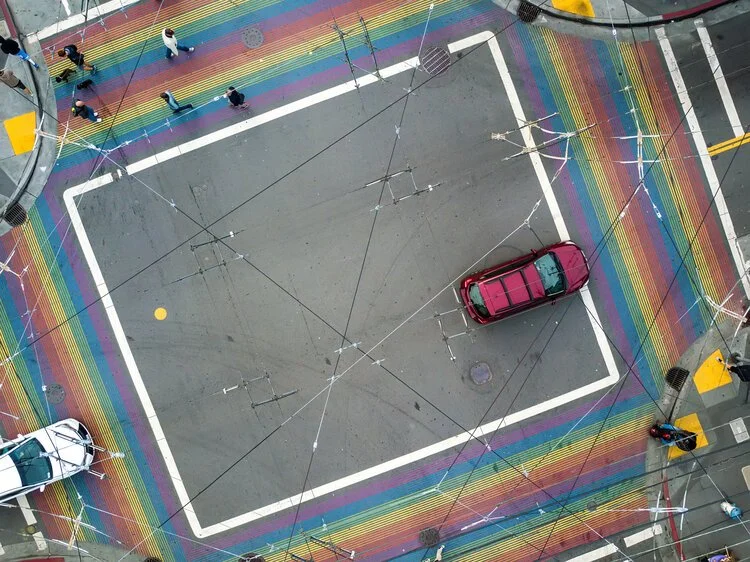
The San Francisco Bay has been a hotbed for LGBTQ+ activism in the United States since the 1950s. Neighborhoods such as the Castro, Folsom, Mission, and the Tenderloin have become symbolic sites for the development of homosexual and transgender politics and queer aesthetics with global significance.
Stathis G. Yerros will present a historical account of queer urban spaces and highlight their distinct physical and cultural attributes. He will demonstrate how physical environments contributed to shaping modern queer and transgender identities and why specific groups felt the need to create their own spaces, which in turn reflected new identity formations. He will present queer urbanism as a historical process, introducing the Foucauldian notion of “histories of the present” and explore how we can overcome gaps in archival records that are the result of exclusionary practices in the built environment. Finally, the talk will trace the emergence of a discourse on queer space in architectural scholarship since the mid-1990s through key contributions to the field and examine their relevance for non-binary design practice.

Stathis Yeros is an urban historian, designer, and architectural theorist. He completed his PhD in Architecture - History, Theory, and Society at the University of California Berkeley, where he is currently a Teaching Fellow. He researches how space affects and is affected by struggles for social justice.
To be determined
CUDC Spring Lecture Series - François Sabourin
8 March 2022 from noon-1pm
In-person event at the CUDC, 1309 Euclid Avenue, Cleveland

While flexibility is a ubiquitous claim of contemporary architectural projects, it remains an ambiguous term and an under-examined topic.
This discussion will consider the managerial aims of flexibility in architecture. How we can provide an alternative to this framework by repurposing some of its tools: can we rethink flexibility outside of its usual role as a system that reins in uncertainty, and instead employ it as a way to resist control and inject indeterminacy into fixed spaces?
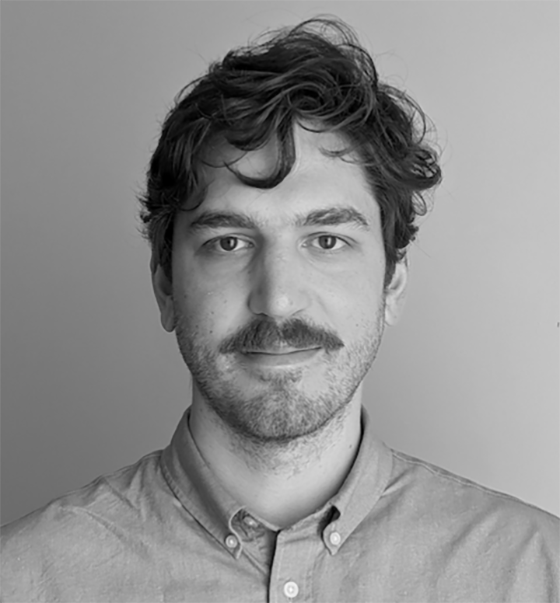
François Sabourin is the Schidlowski Emerging Faculty Fellow in the College of Architecture and Environmental Design at Kent State. He is a designer, educator, and half of the collaborative project yyyy-mm-dd with Kate Yeh Chiu. His research seeks to conceive architecture within the loose conditions of instability and indeterminacy, with work ranging from software tools to structural installations and architectural robotics.
This in-person event at the CUDC is free and open to the public. Lunch will be provided.
For more information, please call 216.357.3434 or email cudc@kent.edu.
Virtual Disruption: A Post-Disciplinary Practice
CUDC Spring Lecture Series - Marlon Davis
18 February 2022 from noon-1pm
Virtual lecture - Zoom link
Marlon Davis will be presenting a lecture on buildings and spaces that have been erased from the history of Black American experience. He will share some 3D visualizations that explore creative paths for research and propose reclamations of these spaces renewing art, architecture and design’s relation to social justice, BIPOC communities, and history. The site of erasure he will examine is Osage Avenue in Philadelphia (1985) to retell this story. He will also discuss his work with Black Architects and Designers Guild and his work at DE-YAN to discuss how he uses 3D tools to reinvent his practice.
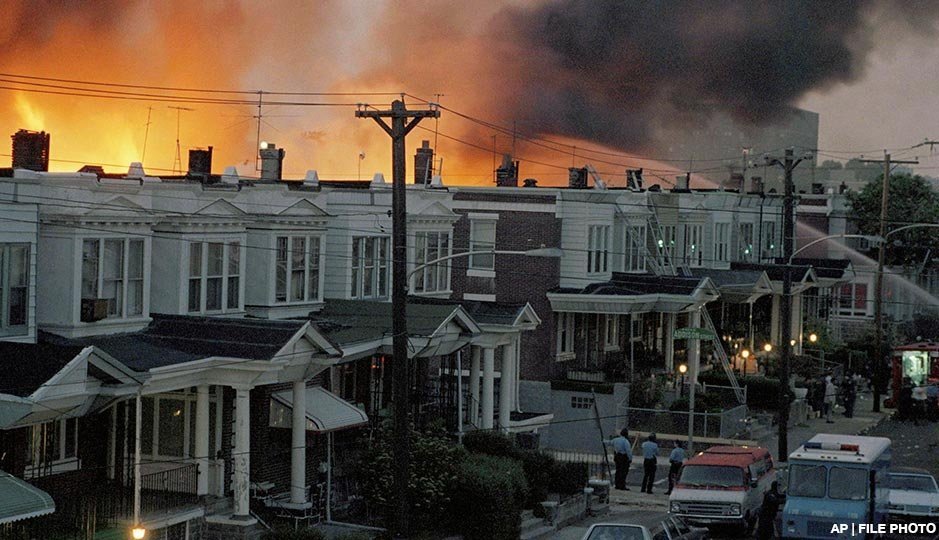
Rowhouses burn after local officials dropped a bomb on the MOVE house, home of a black liberation group, in Philadelphia on May 13, 1985. (Image Source: AP)
Marlon Davis is a creative, innovative thinker who tries to push the boundaries of design into new directions. He is a designer who uses his artistic ability to solve complex design problems in Architecture Landscape Architecture, Graphic Design, and Industrial Design. Marlon uses his creativity and scientific skills to think about the outside world and create meaningful spaces for people to live.

Hybrid Preservation for a Changing World
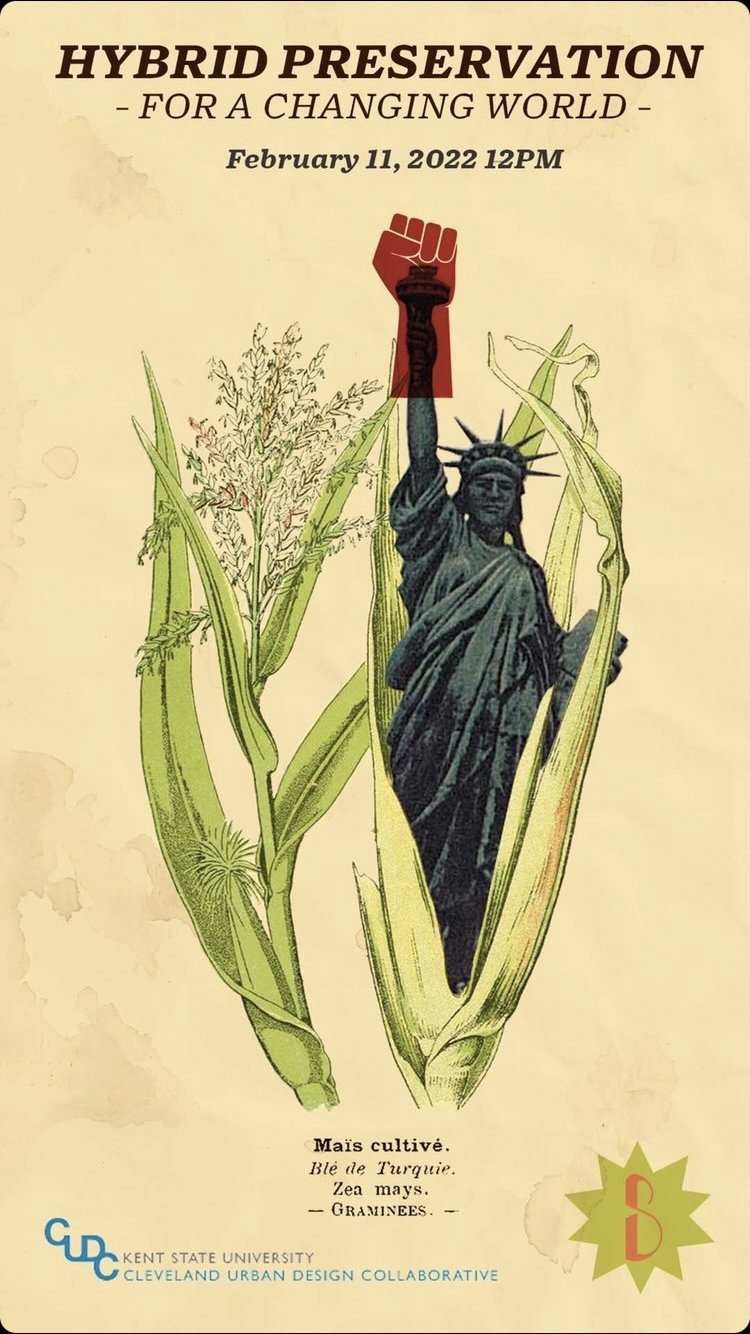
CUDC Spring Lecture Series - Taylor Kabeary and Eduardo Duarte Ruas, Preservation Side B
11 February 2022 from noon-1pm
Virtual lecture - Zoom link
Preservation Side B is rooted in celebrating and highlighting aspects of preservation in marginalized communities left out of traditional preservation teachings and practices.
As the world changes, our practices of preservation, planning, and placemaking must adapt to the need for equality, equity, and inclusion. Our fields must undergo a change from traditional practices of exclusion and narrowness (Side As) to embracing more modern practices of inclusion and expansiveness (Side Bs). How can we form a hybrid between Sides As and Side Bs to form strong practices that protect, include, and serve many communities? How can we form Side Cs? This workshop will provide a guide on how to view Side As and Side Bs of preservation and adjacent fields, and theorize on what Side Cs look and feel like.
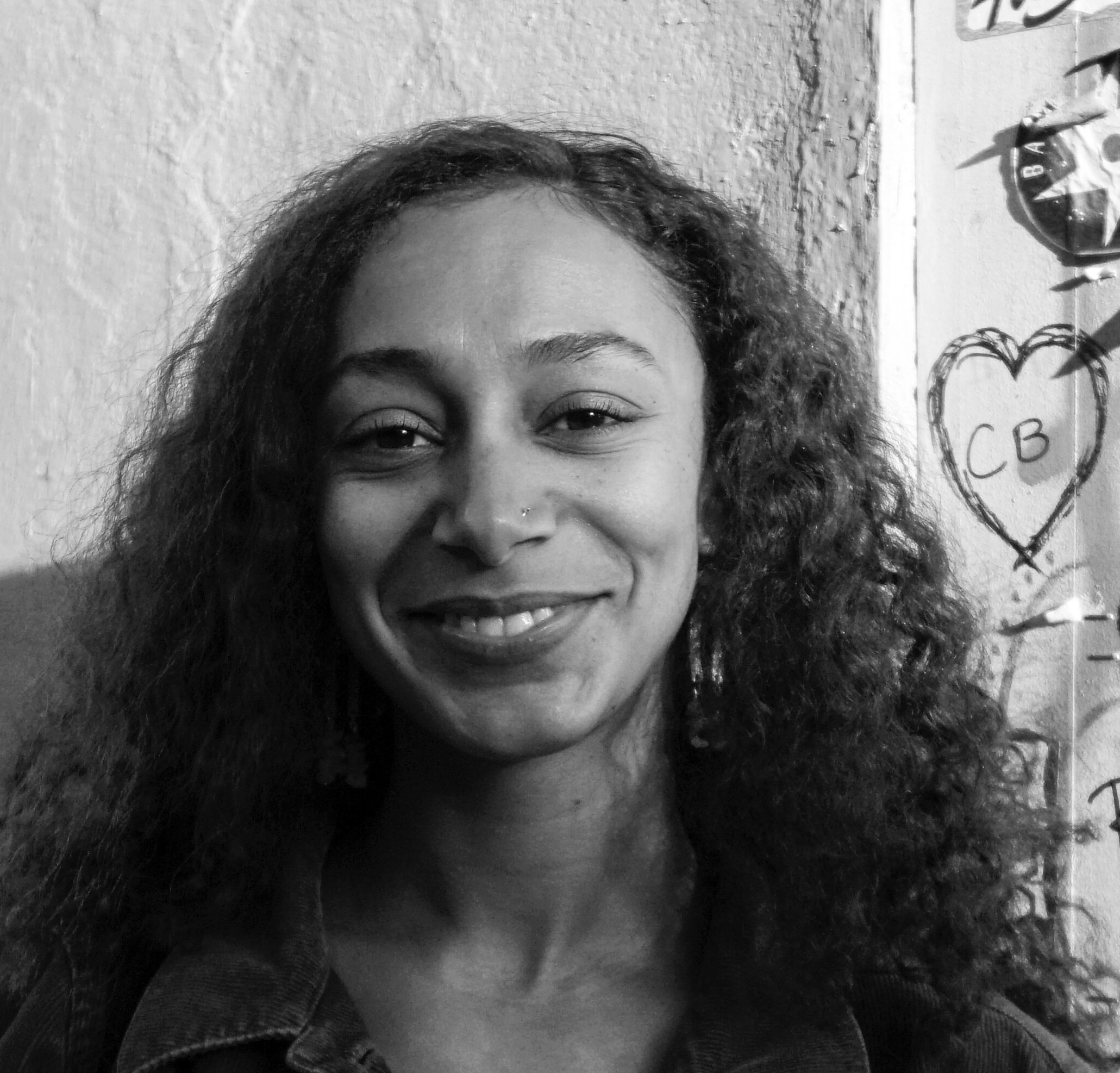
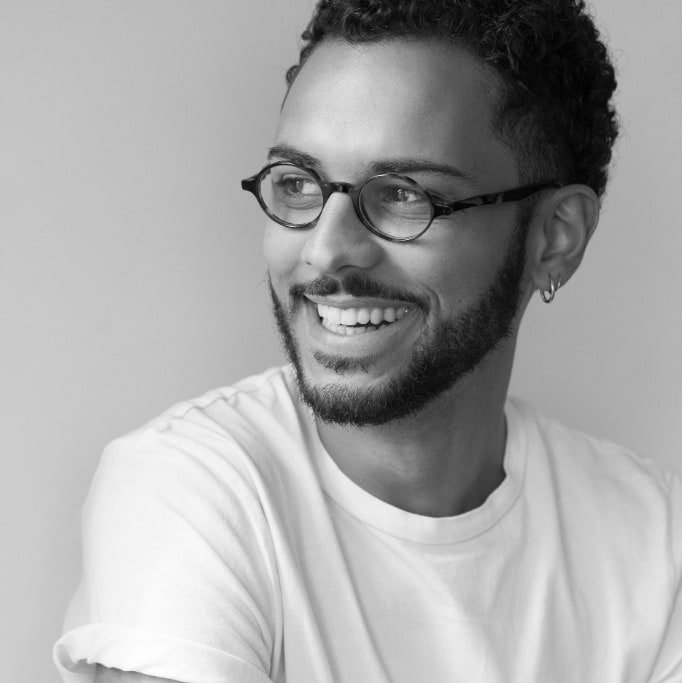
Preservation Side B is a project founded by Taylor Kabeary (she/her) and Eduardo Duarte Ruas (he/him), two advocates and preservationists based in New York City. The project is rooted in telling stories, honoring places, and re-centering narratives of BIPOC and LGBTQ+ communities usually left out of traditional preservation teaching and practice. Preservation Side B’s goal is to tell stories to inspire people to find their own stories and bring awareness/legacy to places and traditions unique to them. Preservation Side B advocates for a disruptive practice to dismantle elitism, racism, and colonialism that drive current heritage concepts. The name of the project comes from the music industry, and it represents Side B’s goals well. B-sides are the non-title track songs on albums, which are generally given less attention by the public and media. However, B-Sides of tapes and records have their histories, stories, motivations, and successes. By looking at the core issues of preservation from an academic and professional standpoint, Preservation Side B outlines the steps necessary for a revolution in preservation, serving as a guide to recent graduates to create a more equitable future.
Ben Herring, Making Our Own Space Coordinator

Making Our Own Space, the CUDC’s award-winning design/build program for middle and high school students has a new coordinator. Ben Herring has been a visiting instructor for several years, most recently working with the Glenville MOOS students this summer on two major seating structures. He is a skilled designer and craftsman, and a gifted instructor. We are thrilled to welcome Ben to the CUDC team!

In addition to running MOOS, Ben will continue to be Principal Designer at PAADG Studio where he specializes in visualizations and architectures for public good. Ben has spoken at various universities and conferences on topics ranging from design theory, to distributive justice, the future of public space and digital craft in contemporary design. Ben was administered various honors at Ball State University where he received degrees in Architecture and Economics. He has previously served as a board member for the Haitian Vision Foundation as well as PBS and NPR member stations in Southern Indiana. He presently serves on the board of the Refresh Collective (formerly known as the Fresh Camp)
Making Our Own Space, now in its eighth year, operates in six city neighborhoods and two inner-ring suburbs. This year, we’re launching a new MOOS Rapid Response Team with the generous support of The Cleveland Foundation. The Rapid Response Team is an 18-month enrichment program for middle and high school students who have an interest in design and the desire to be active changemakers in their neighborhood. Student participants will conduct research and develop design-based solutions to address issues in a Cleveland neighborhood, in collaboration with the staff of Kent State University’s Cleveland Urban Design Collaborative (CUDC), guest designers, and community leaders.
Dark Methods : A Geography of Practice

CUDC Fall Lecture Series - Jerome Haferd, Brandt : Haferd
5 November 2021 from noon-1pm
Virtual lecture - Register here for remote access / Zoom link
“Dark Matter is not the opposite of matter, but matter that behaves differently.”
Working within erased or marginalized histories, neighborhoods, or sites that fall outside the ‘mainstream’ challenges us to question both the how and the what of architecture. Haferd, an Akron native, will chart a geography of his Harlem-based design practice, drawing connections between projects in the larger Hudson Valley, recent housing prototypes for Cleveland, St. Louis, and beyond.
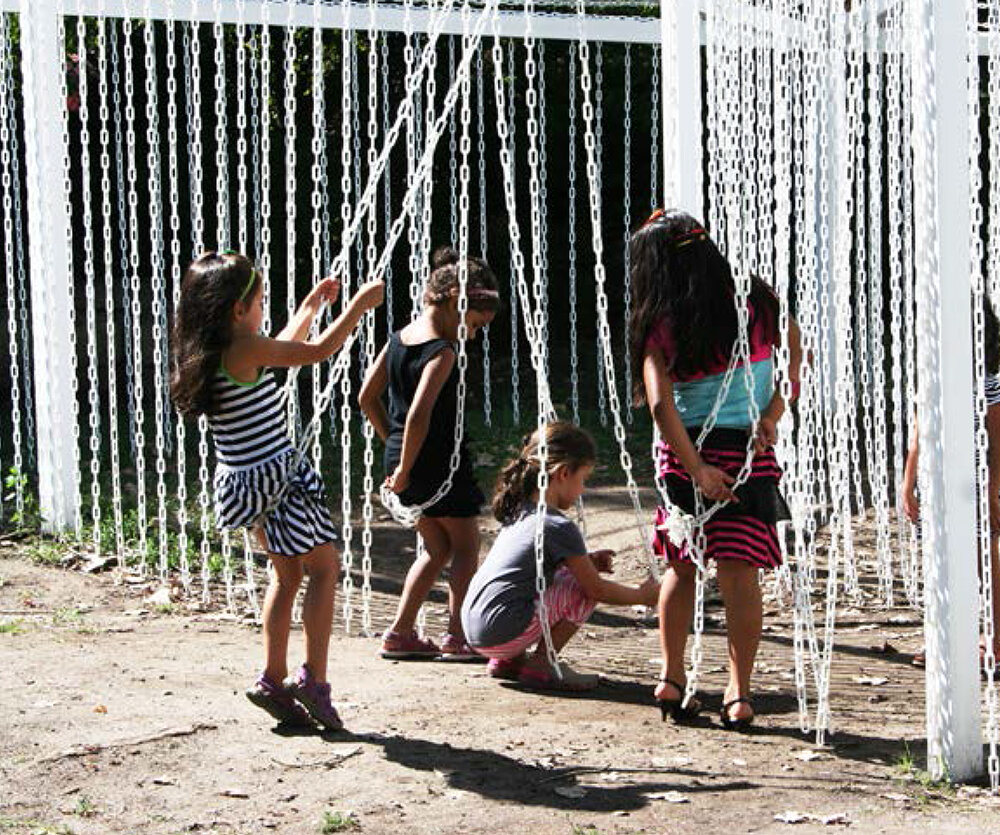
Jerome Haferd is an architect and educator based in Harlem, NY. He is co-founder of the award winning design and research practice BRANDT : HAFERD. Jerome’s work focuses on how architecture establishes a dialogue between contemporary culture, non-hegemonic histories, users and spaces. Haferd has recently led community design efforts with the Harlem and Pine Street African Burial Ground Task Force groups, the Van Alen Gowanus fellows, and others. Jerome is currently on the architecture and urban design faculty at CCNY SSA, Columbia GSAPP, and Yale. He is a core initiator of Dark Matter University, a BIPOC-led network dedicated to transforming pedagogy and the space of knowledge production. Jerome received his Master’s in Architecture at Yale University and his Bachelor’s in Architecture from The Ohio State University. He has worked in the offices of OMA/Rem Koolhaas and Bernard Tschumi Architects.

BRANDT : HAFERD, Architecture, D.P.C, co-founded by Jerome W Haferd and K Brandt Knapp is a Harlem-based practice dedicated to public architecture at many scales. They were winners of the first annual 2012 Folly competition held by The Architectural League of NY. The practice was awarded the grand prize for the 2019 Cleveland ZeroThreshold competition with a multi-abled, intergenerational housing prototype. The studio is one of the 2020 winners of the AIA New Practices New York award and has been exhibited widely, including AIA New York and The Storefront for Art and Architecture. Recent projects include the 2020-21 Harlem Renaissance Pavilion with WXY and Beautiful Browns, awarded second prize in the 2021 OnOlive emerging black architect housing competition.
The Fall Lecture Series is made possible through the generous support of the College of Architecture and Environmental Design at Kent State University.
For more information, please call 216.357.3434 or email cudc@kent.edu.
Inclusive Design Across the Built Environment

CUDC Fall Lecture Series - Jordana Maisel, Center for Inclusive Design and Environmental Access, University at Buffalo
24 September 2021 from noon-1pm
Virtual lecture - Register here for remote access / Zoom link
Rooted in a critique of designer-centric practice and embracing an ethic of social responsibility, Inclusive Design (or Universal Design) focuses on developing form from function to increase the usefulness and responsiveness of our world for a wider and more diverse range of people. This presentation will provide an overview of the Inclusive Design paradigm. It introduces the goals and knowledge bases, methods of implementation and evaluation, and best practice examples.
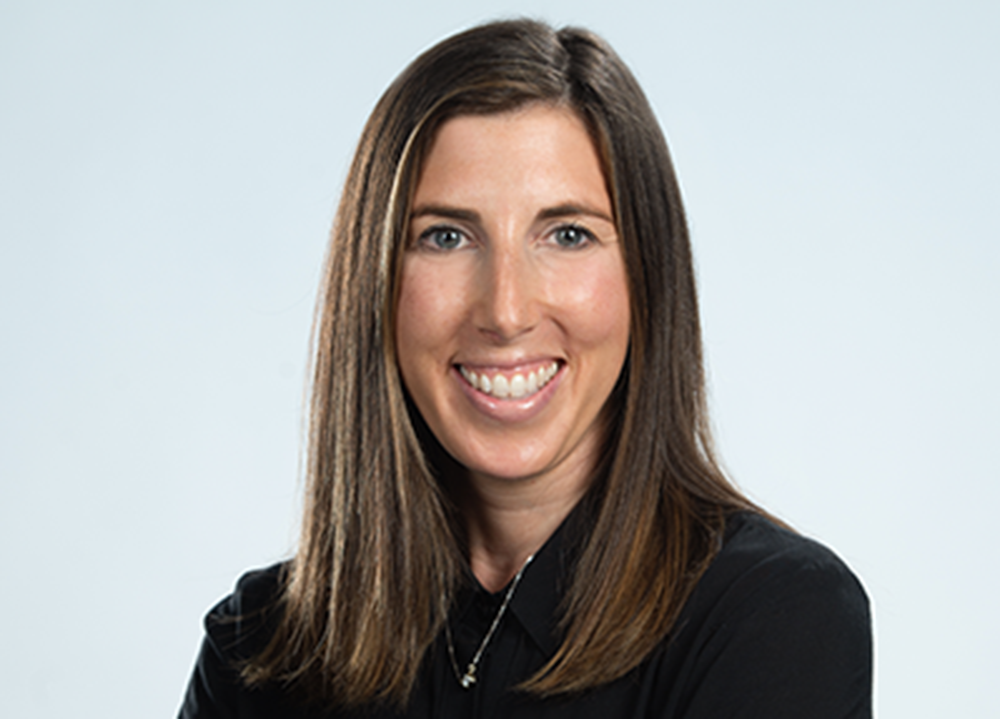
Jordana Maisel, PhD, works at the intersection of research, teaching and practice as assistant professor in the Department of Urban and Regional Planning and as research director for the Center for Inclusive Design and Environmental Access (IDEA Center) within the School of Architecture and Planning.
She brings experience designing and conducting experimental studies in the laboratory and field; analyzing data; and, capturing and interpreting stakeholder perspectives with surveys, interviews, and focus groups. Maisel has led research in the areas of public transportation, street infrastructure, post occupancy evaluations, and accessible housing policy.
The Fall Lecture Series is made possible through the generous support of the College of Architecture and Environmental Design at Kent State University.
In partnership with the American Planning Association Cleveland Section. One hour of Certification Maintenance credit is pending.
For more information, please call 216.357.3434 or email cudc@kent.edu.

Shifting Power through Design
CUDC Fall Lecture Series - Ifeoma Ebo, Creative Urban Alchemy
22 October 2021 from noon-1pm
Virtual lecture - Register here for remote access / Zoom link
Historically the urban landscape has been used as a tool to establish inequitable power/social relationships. The same tools that have been used to shape inequity can also be used to center equity and justice in our world. This lecture will use history, theory and projects centering community engagement design to explore how to shift power through design.

Ifeoma Ebo is an experienced urban designer and strategist who transforms urban spaces into platforms for equity and design excellence. Through leadership roles in urban design and development initiatives funded by the United Nations, FIFA, and the NYC Mayors Office, she has excelled in managing multidisciplinary teams towards projects that support racial, social, and cultural equity. She is currently an Adjunct Professor at Syracuse University and Columbia University where she teaches on the intersection of urban design and equity. As the founding Director of Creative Urban Alchemy LLC, she is a highly sought-after consultant on equitable urban design and sustainable development strategy for city governments and civic institutions internationally.

The Fall Lecture Series is made possible through the generous support of the College of Architecture and Environmental Design at Kent State University.
In partnership with the American Planning Association Cleveland Section. One hour of Certification Maintenance credit is pending.
For more information, please call 216.357.3434 or email cudc@kent.edu.

The Land of Enchantment: Design, Water and The Vernacular Southwest

CUDC Fall Lecture Series - Abigail Feldman, Surroundings Studio
17 September 2021 from noon-1pm
In person: CUDC, 1309 Euclid Avenue, Suite 200, Cleveland
Close your eyes for a moment and imagine being in a place where you can see rain storms one hundred miles away. Behind you dark clouds pile up against the tip of the Rocky Mountains. The high altitude light washes over the tips of Piñon trees dotted across the desert at sunset, and you wish you had chapstick. This is New Mexico, otherwise known as the Land of Enchantment. People have lived here for a long time and water is always on our minds.
This lecture offers the perspective of one landscape architect's work to link "old school" green infrastructure to contemporary design, to help innovate strategies for stormwater, and to root design in the vernacular land use of this region from acequias to zuni bowls.

Abigail Feldman is a landscape architect at Surroundings Studio in Santa Fe, New Mexico. Previously, she was the founder of Heavy Meadow, based in New Orleans, Louisiana. She launched and directed the Growing Home program for the New Orleans Redevelopment Authority. She helped transform over a 1,000 vacant lots into community gardens, farms, and yards with families from The Lower 9th Ward to Lakeview.

The Fall Lecture Series is made possible through the generous support of the College of Architecture and Environmental Design at Kent State University. For more information, please call 216.357.3434 or email cudc@kent.edu.